This next section of the trip was a real roller coaster of an experience. Nobody ever said this was going to be easy, but we were definitely put to the test!
Hue:
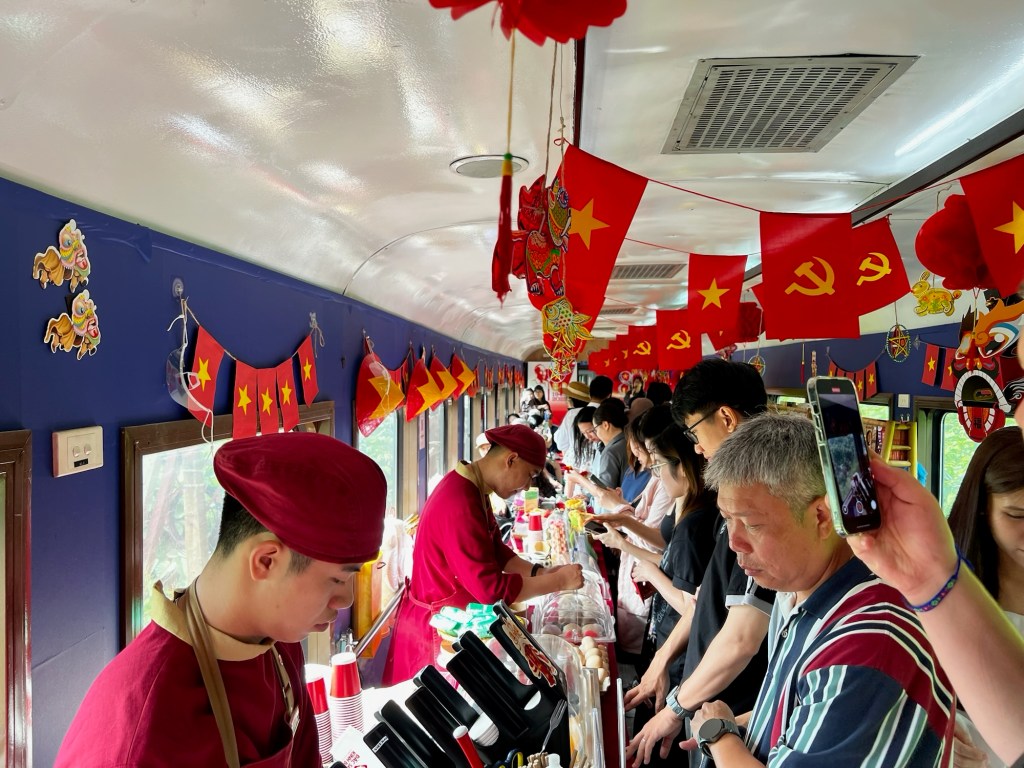
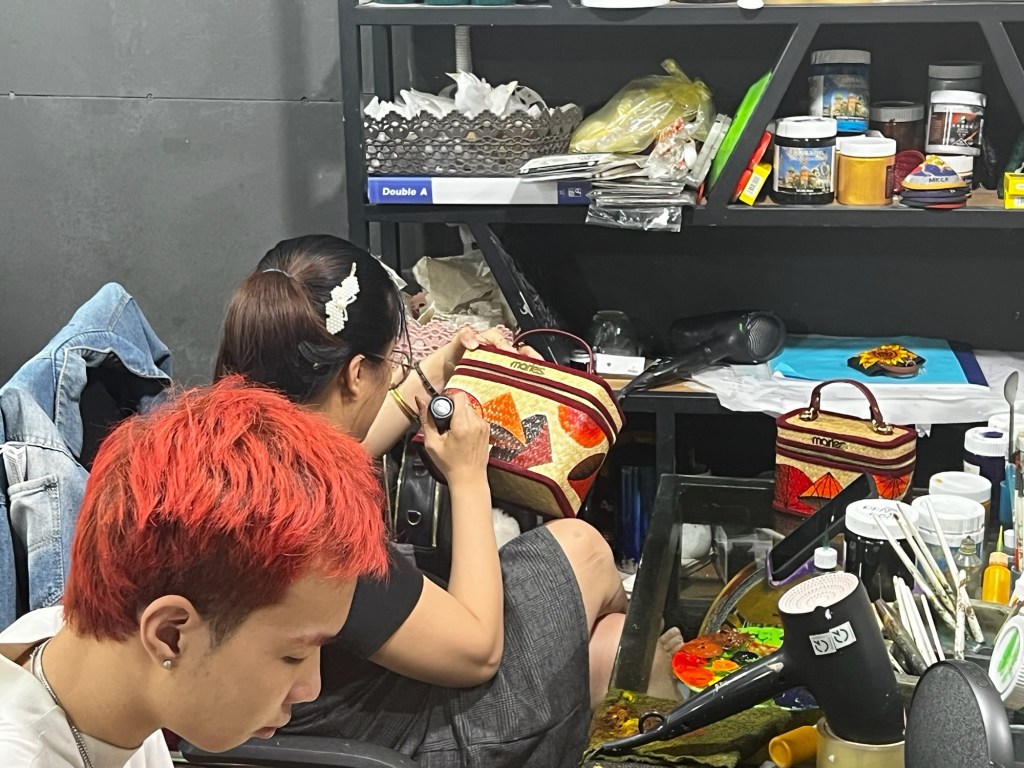
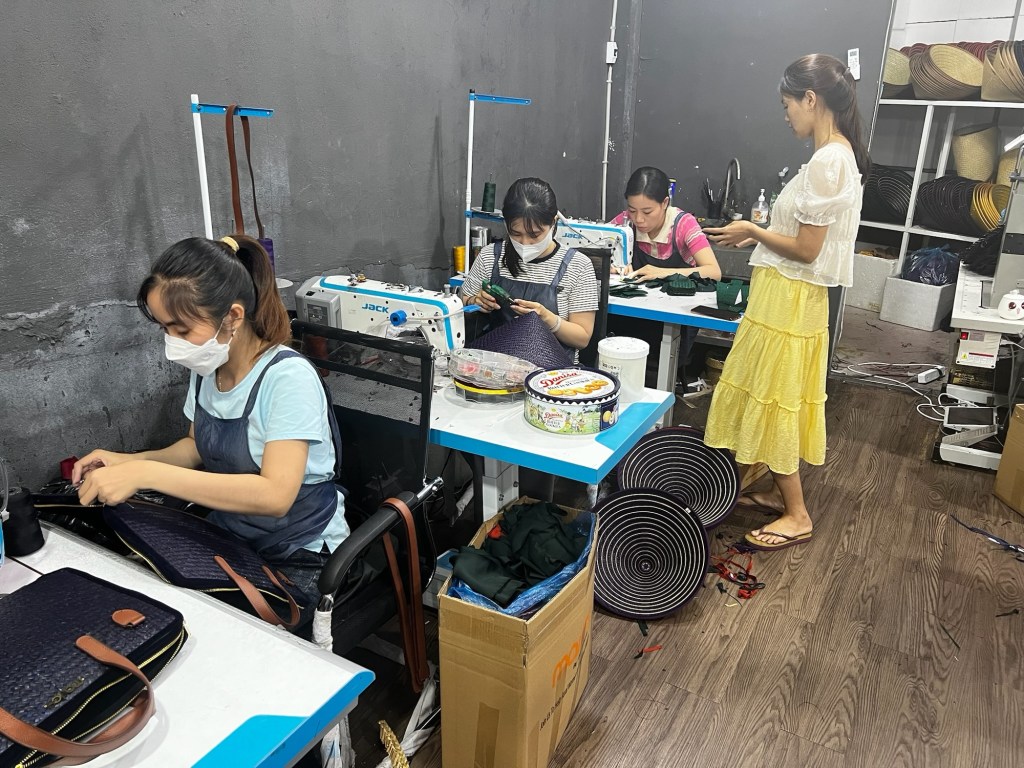
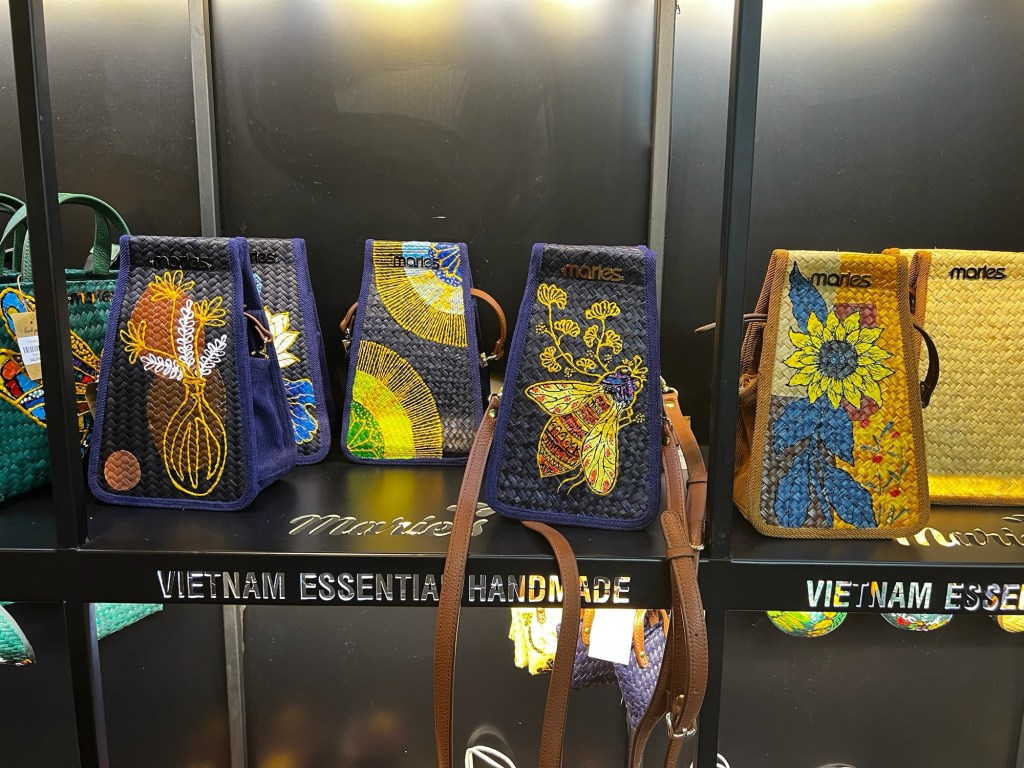
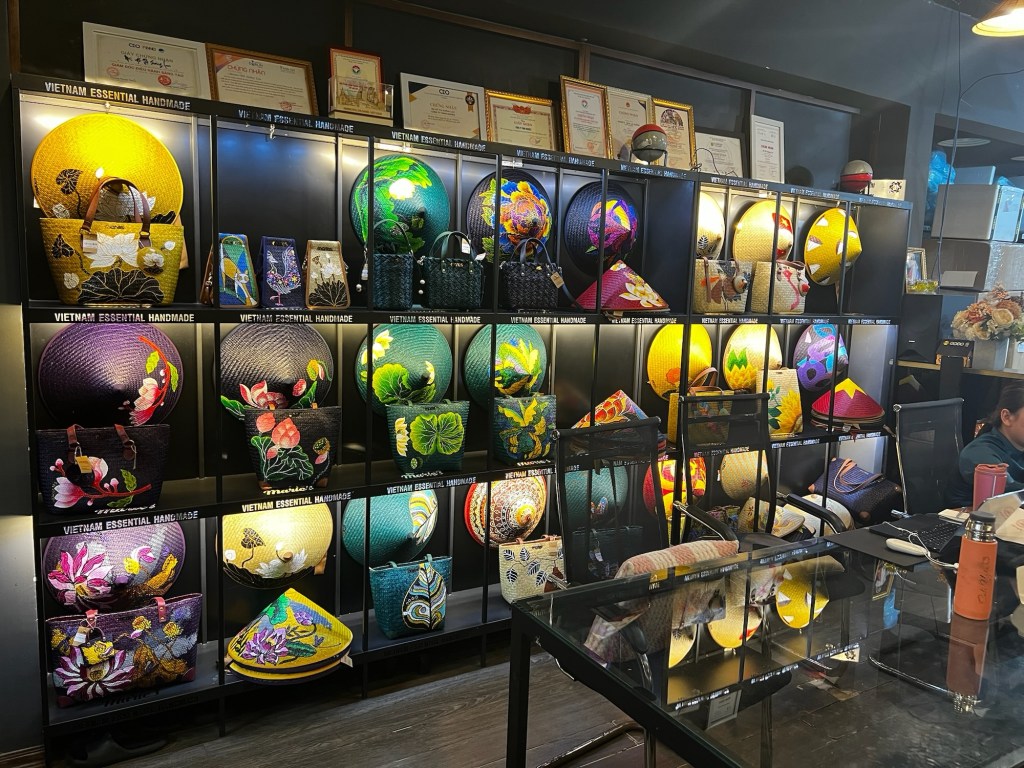
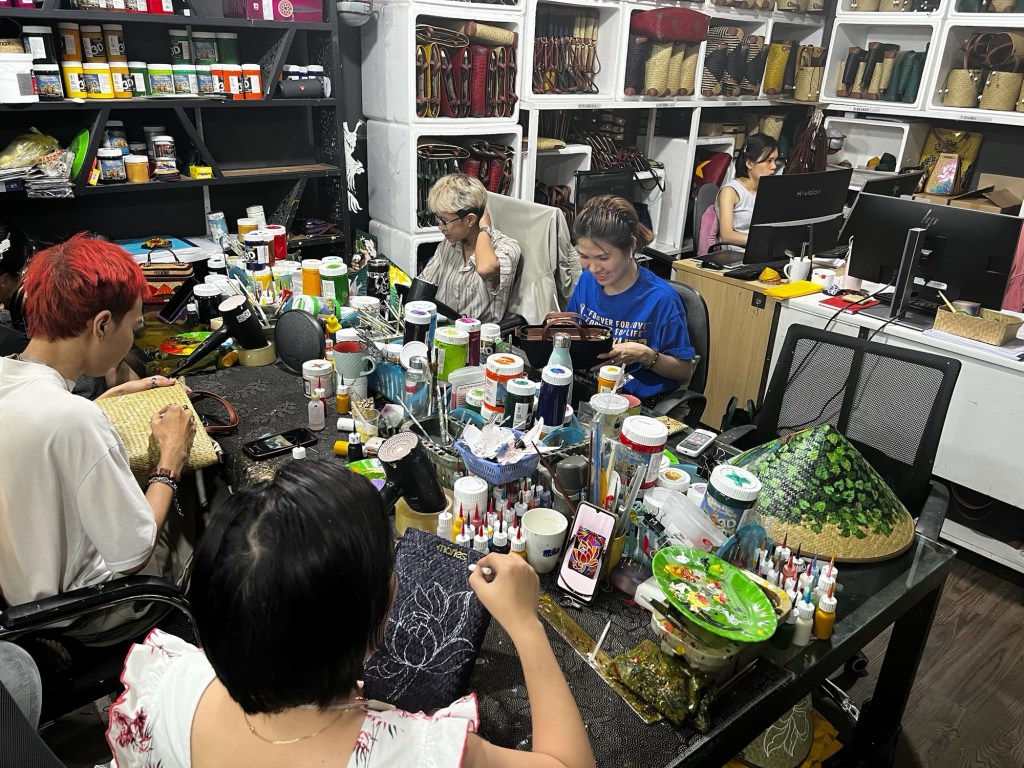
Day 1 we arrived in Hue via the Heritage Train from Da Nang. It was a bit more expensive than the other options, and also a bit slower, but we go to travel through Hải Vân Pass which has been recognized as one of the most beautiful drives in the world. If you ever travel from Da Nang to Hue, we highly recommend it. They also have a cultural train car that’s all decorated, has live music, and local foods and coffee to try if you like. It was a pretty uneventful day other than that. We stopped in for an hour long massage and also checked out some shops. One that stood out was called Maries, and they describe it best on their website as: “a Vietnamese brand of handicraft products with beautiful and unique craft-work created by the women who live in our local villages and townships with a mission of nurturing and enhancing Hue traditional village’s value”. They are fighting back against fast fashion and the Westernizing of their culture by passing on the skills and craftsmanship of their ancestors all the while focusing on empowering women. They have a workshop upstairs where they’re hand-making and painting the products that they showed us around, and we would recommend doing the same should you find yourself in Hue.


Day 2 was our big cultural day, and we knew it was going to be a long one as Hue used to be the capital city where the royal family lived, so there was a ton of history to take in. It so happened to also be the first day of the trip that called for some heavier rain. We opted to bring ponchos instead of our rain jackets on this trip as there’s nothing worse than sweating in a rain jacket. The ponchos also allowed us to keep our bags dry underneath. This will definitely come in handy as you’ll find out later…
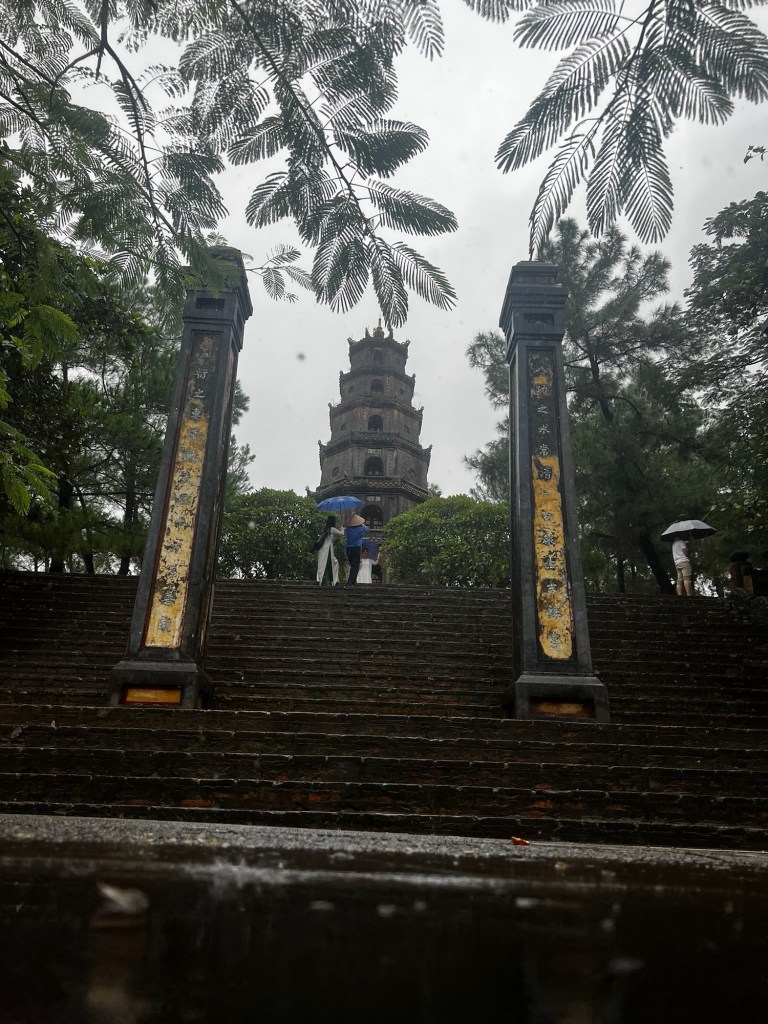
Our schedule for the day was as follows: Imperial Citadel, Thien Mu Pagoda, and Old Garden House, then lunch at a local restaurant, visiting Minh Mang tomb, Khai Dinh tomb, the Incense and Conical Hat village, and Vong Canh Hill.
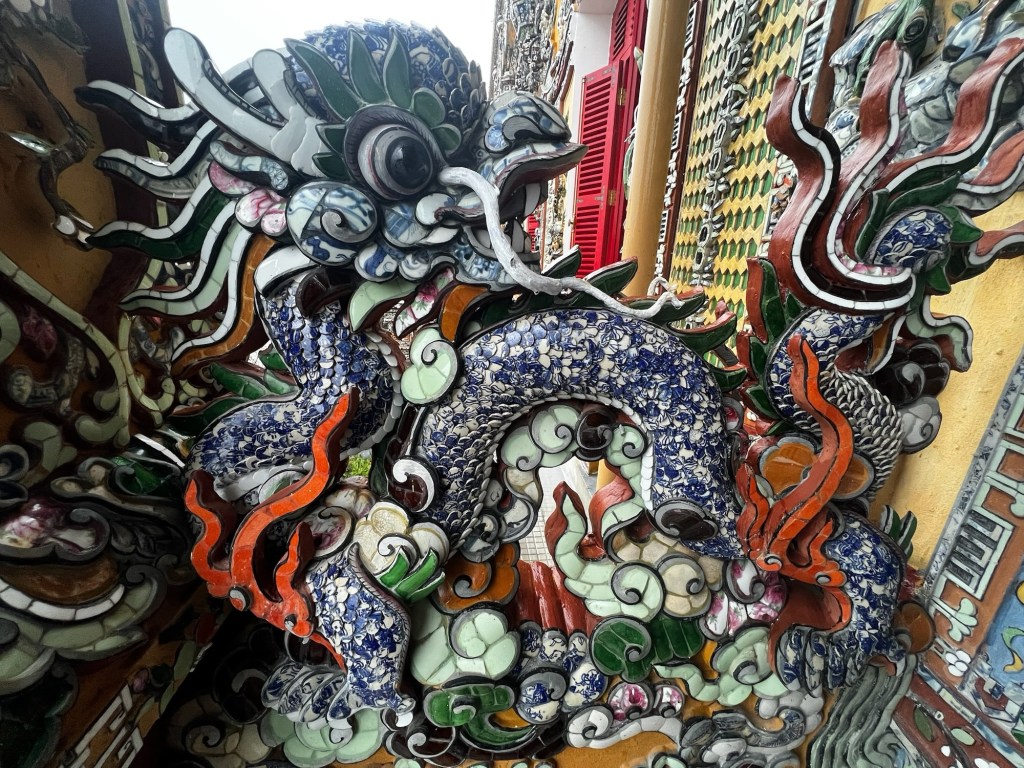
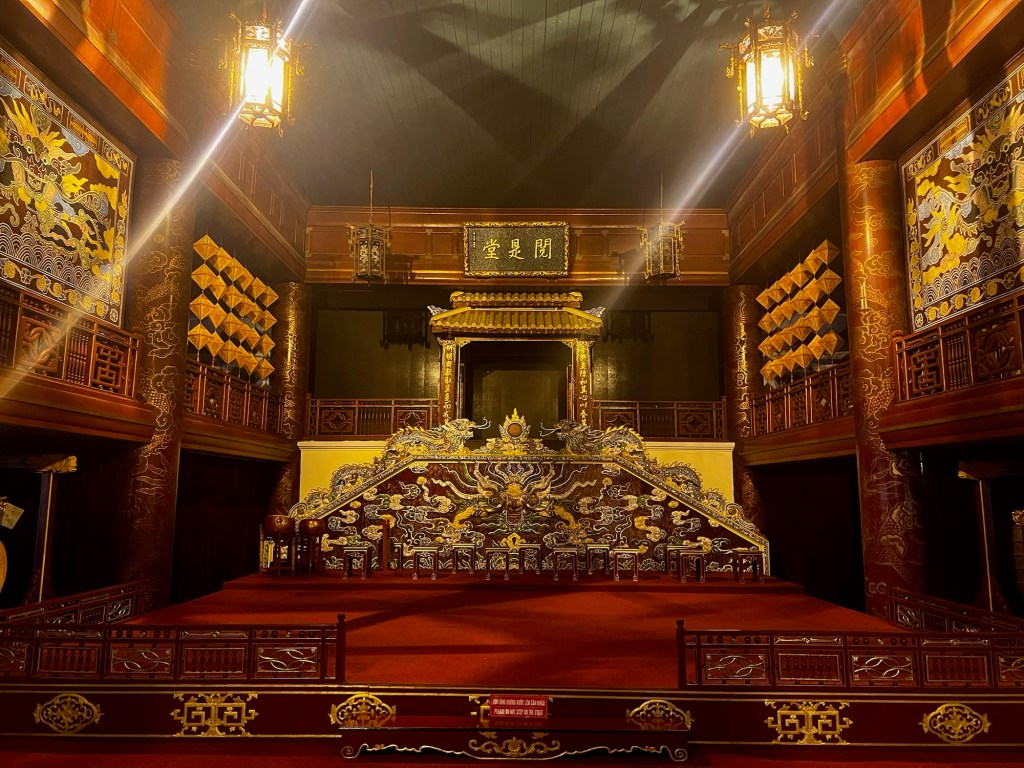
The Imperial Citadel needs to be seen to believe as it’s very large, and very beautiful. It’s built with layers of stone walls, with the Royal Family having lived in the very last one and there were very strict rules on who could enter each zone as well as by which doors. We got to see the Royal Theatre, where performances are still held today, the King’s Poetry House, his garden, and of course the royal palace. The palace is absolutely beautiful, and showcases the traditional Vietnamese art style of khảm sành sứ where they break coloured ceramics and porcelain and use the shards to create mosaics to don the walls. Unfortunately, the vast majority of the structures were destroyed as part of the Vietnam War, as it was the site of heavy bombing for three consecutive days. The only thing that remains 100% intact from before then is the King’s throne. The rest is mostly a recreation.
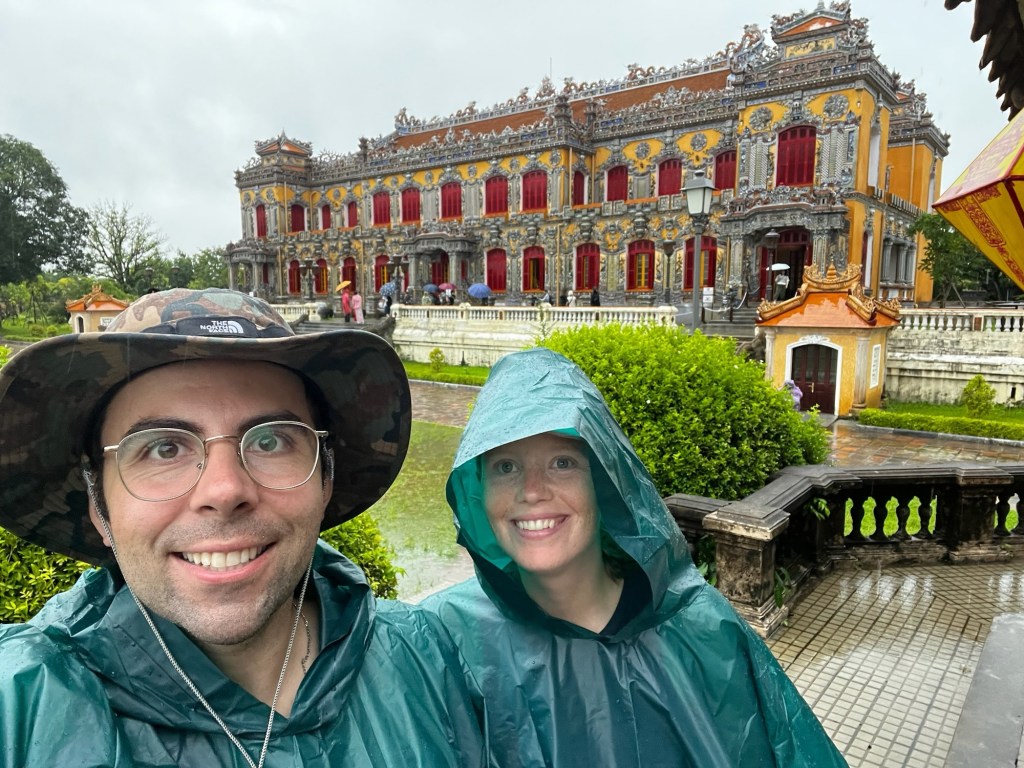
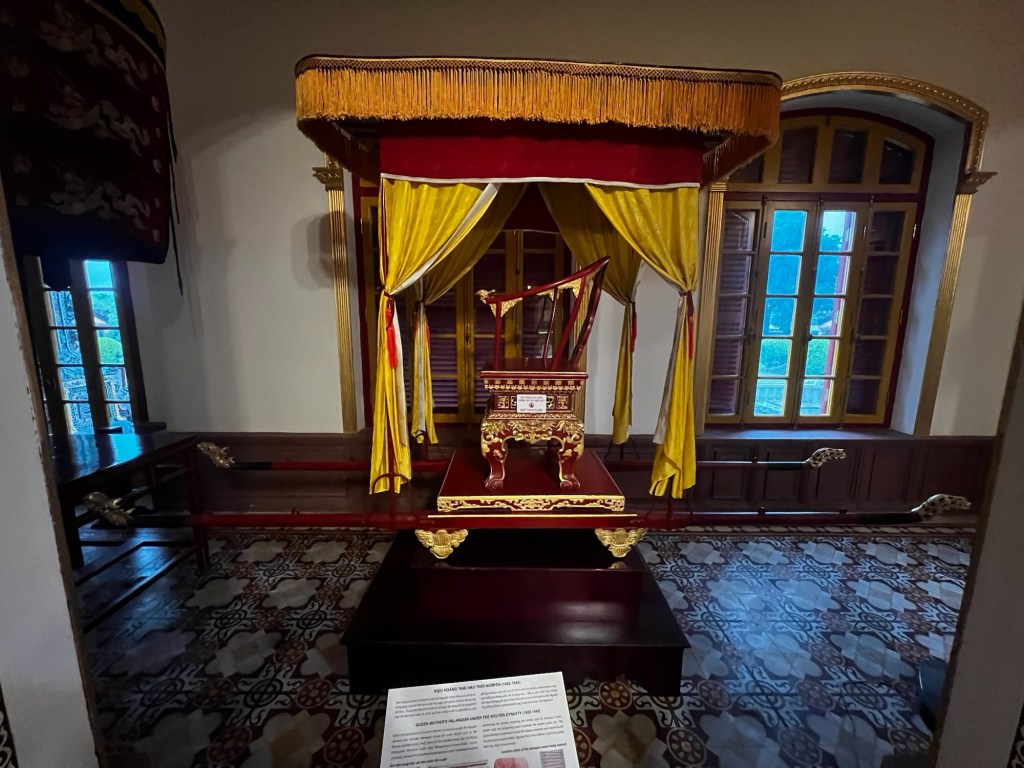
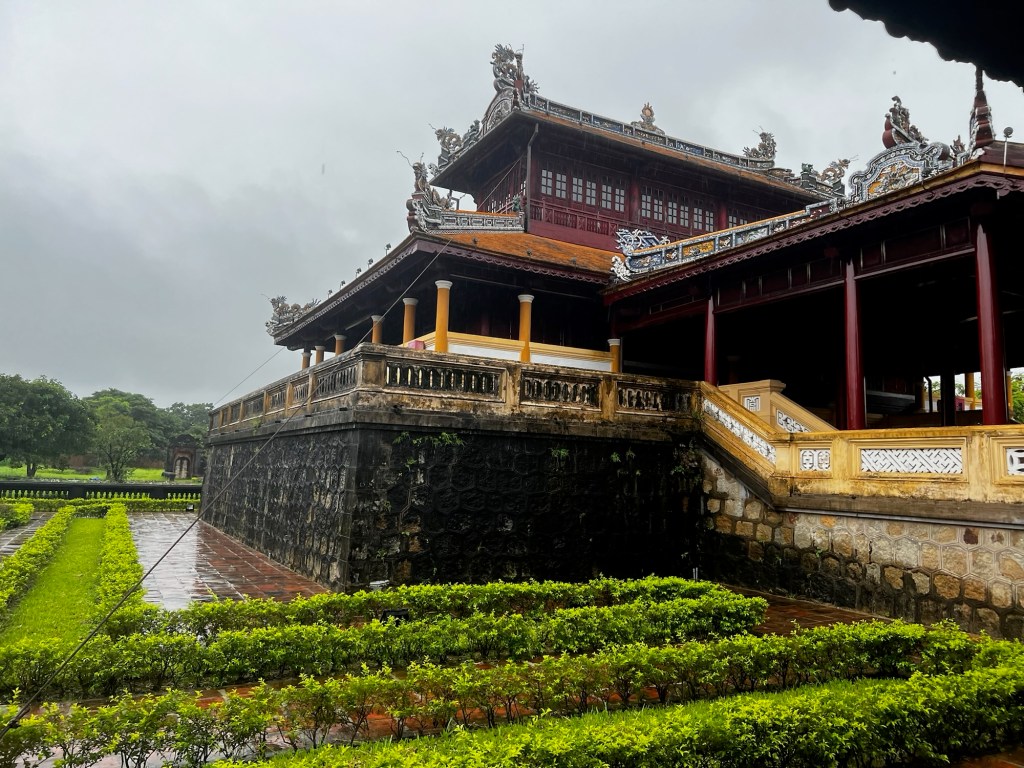
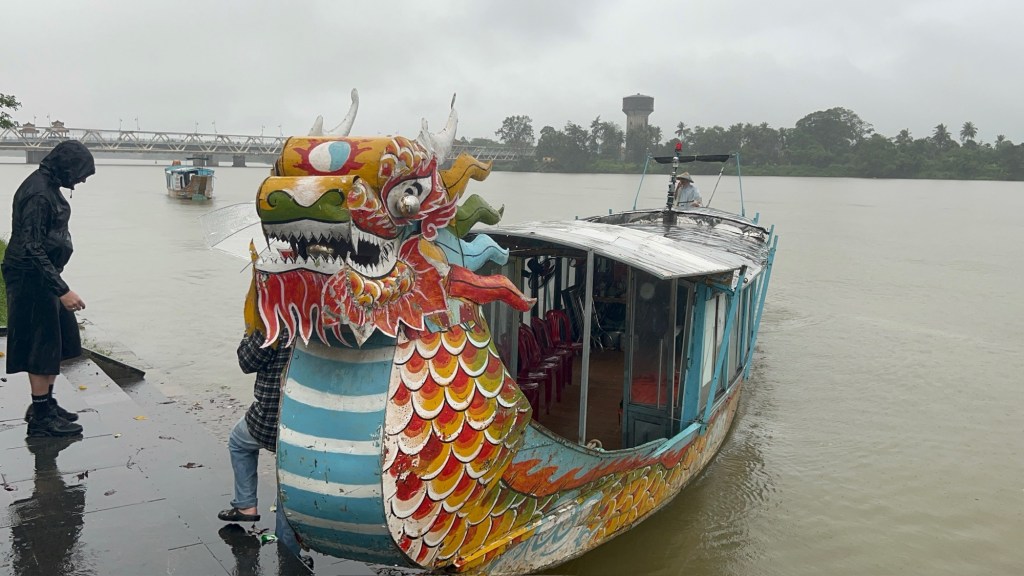
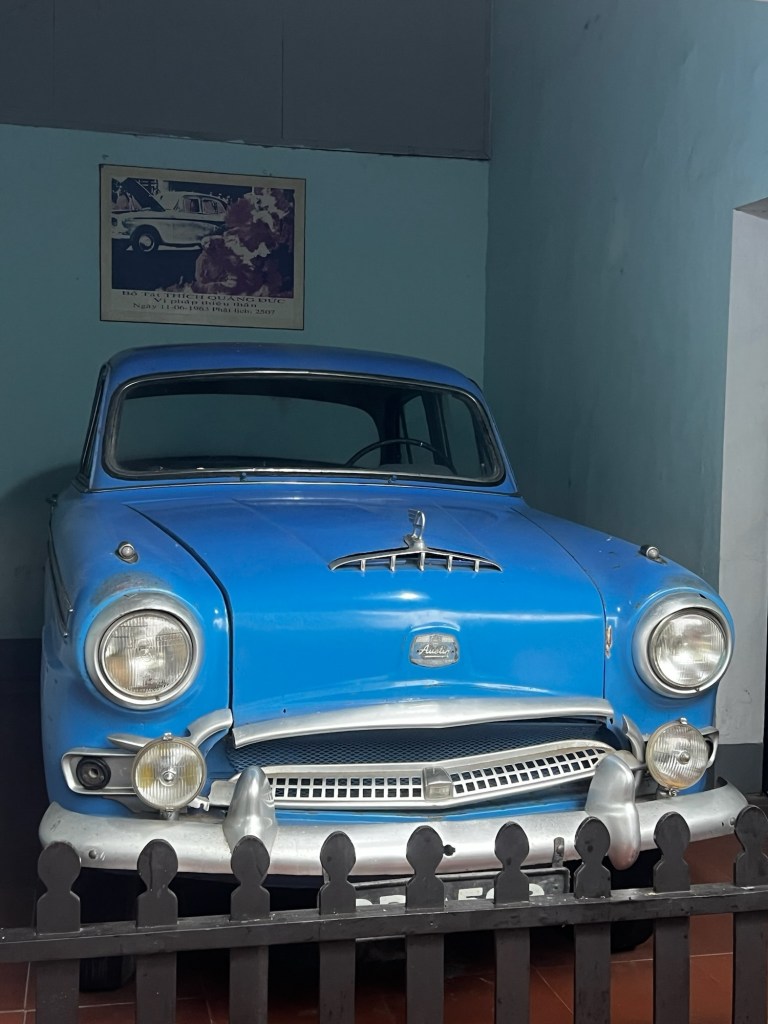
From the start of the Imperial Citadel, we were experiencing some of the heaviest rain we’d ever seen, but our spirits were high and we were excited to continue on. To get to Thien Mu Pagoda, we took a river boat shaped like a Dragon. There are still monks who live at the Pagoda and take care of it, and it is also the site of the car of Thich Quang Duc who drove to Saigon and self-immolated in protest of the President’s opposition of religious freedom. It’s very intense to take in.
We stopped at an Old Garden House, which showcases the architecture, and lives of those living in the 18th century in Vietnam. We then had a lunch filled with many new local dishes such as Bánh Lọc, Banh Beo, Bánh Nậm, Bán Bèo, Bánh Khoái, and of course, Bún Bòế.
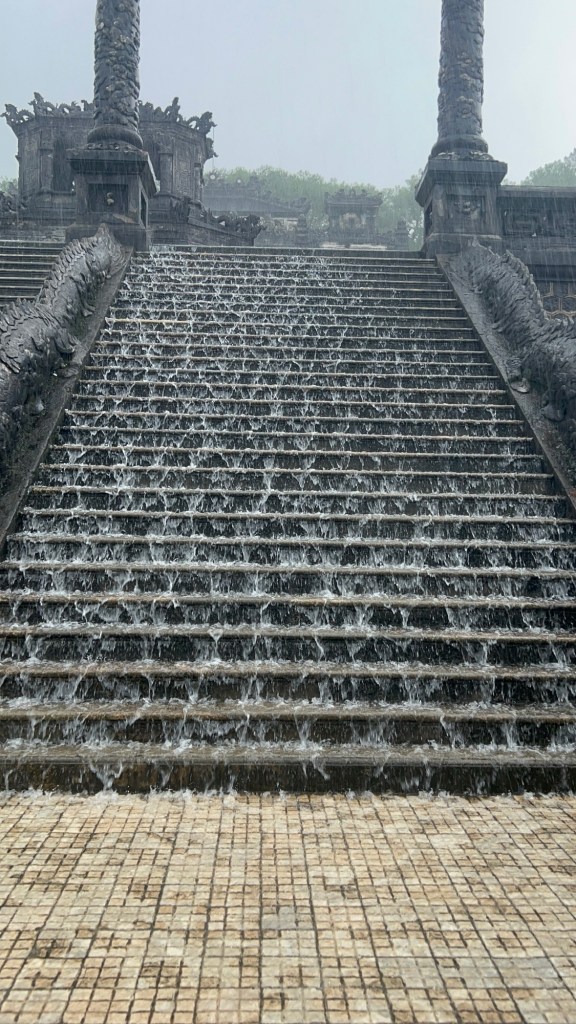
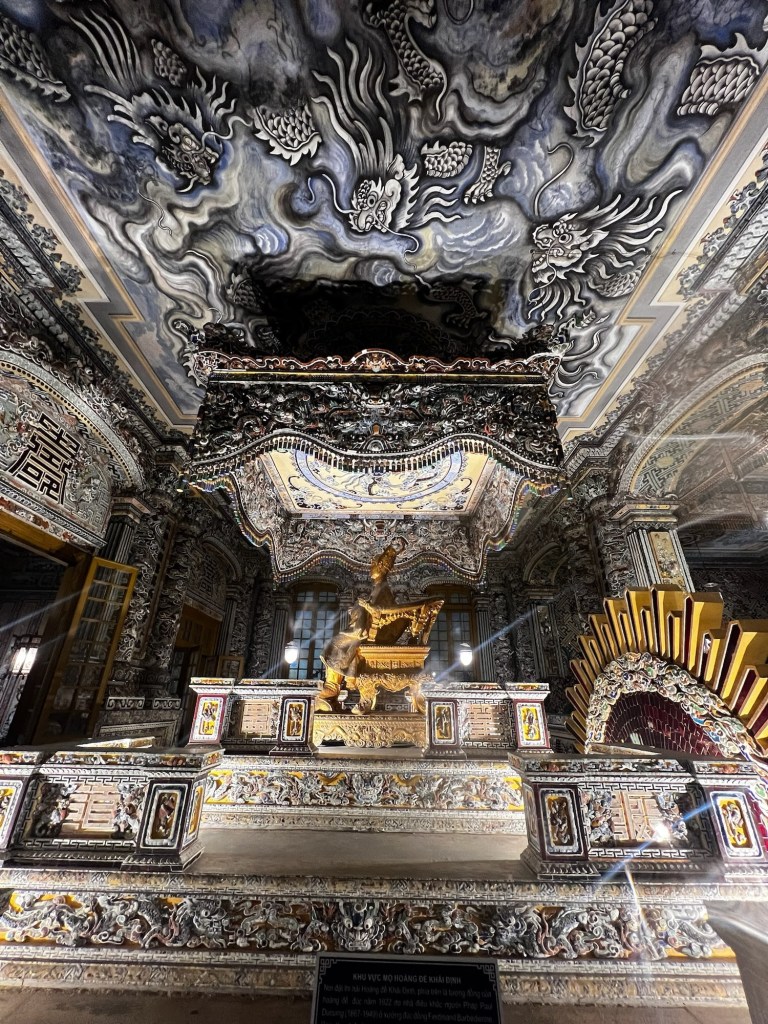
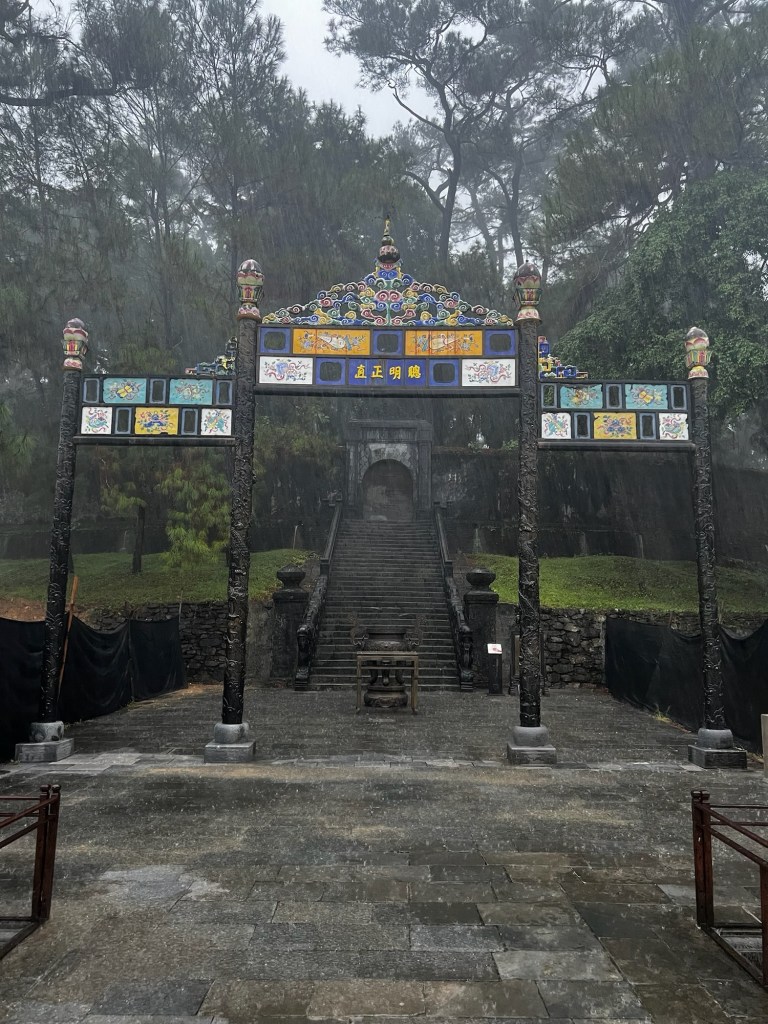
Next, we carried on to one of Julia’s favourite stops of the day – Khai Dinh Tomb. At this point, the rain had been relentless all day, and we had to redirect ourselves multiple times due to roads flooding on our route. When we pulled up to the Tomb, water was pouring down the steps like a waterfall (see below). We climbed up anyways (very carefully, moms!) and saw the various chambers in the building at the top of all the steps.
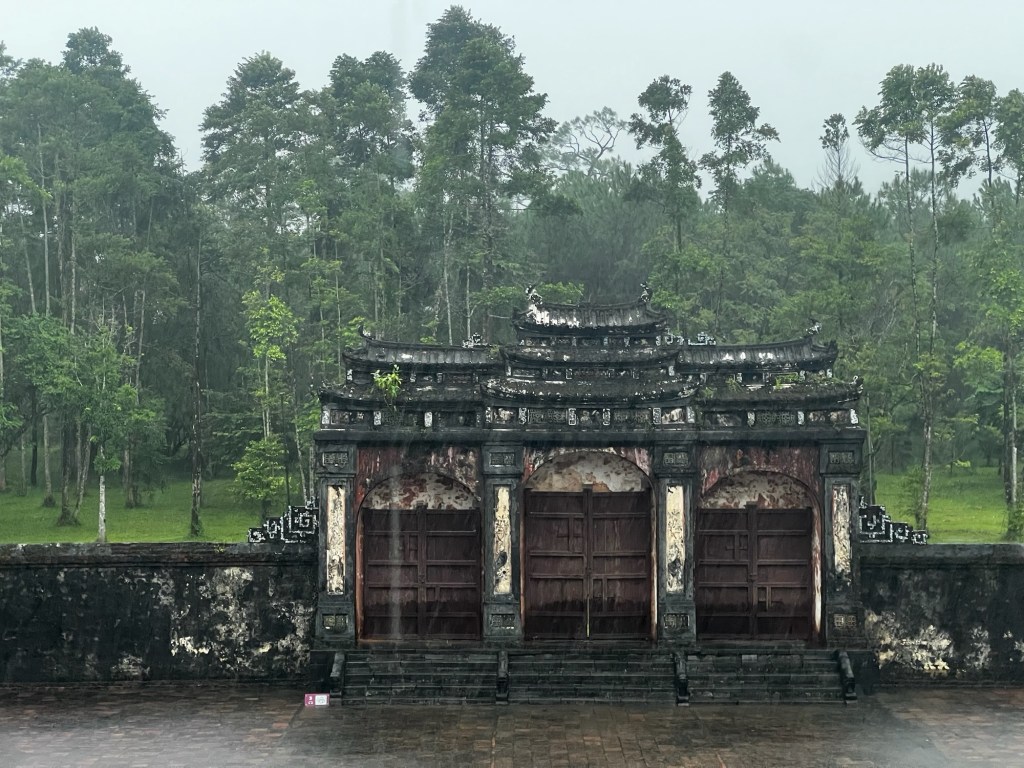
After Khai Dinh, we visited Minh Mang Tomb. This was a highlight of the day for Jack and not because Minh Mang had approximately 500-600 wives and concubines and fathered 142 children, which included 78 sons and 64 daughters, but because of the serenity of the site. You pass through multiple buildings as you venture further away from the road, between which are these beautiful canals and bridges, until you reach the tomb at the very end. We couldn’t actually go inside the tomb as the doors are only opened once a year for Tet, but the whole site was stunning nonetheless. We also learned that the main door to the site was only opened once when the coffin of Minh Mang was moved into the tomb, and will never open again.
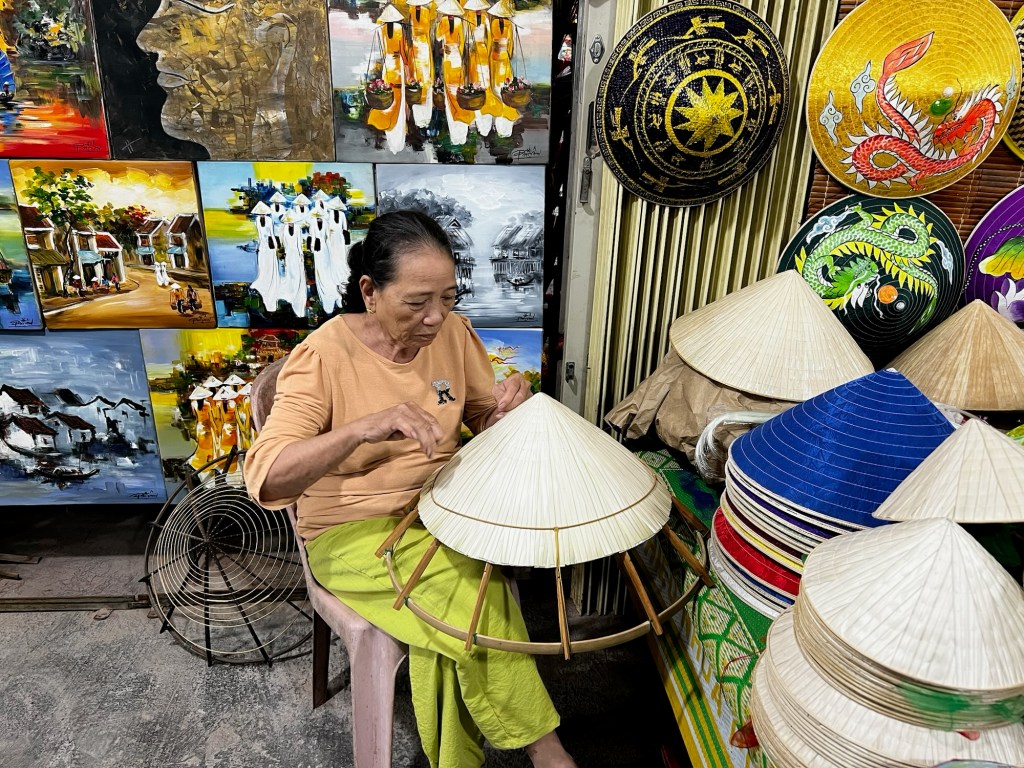
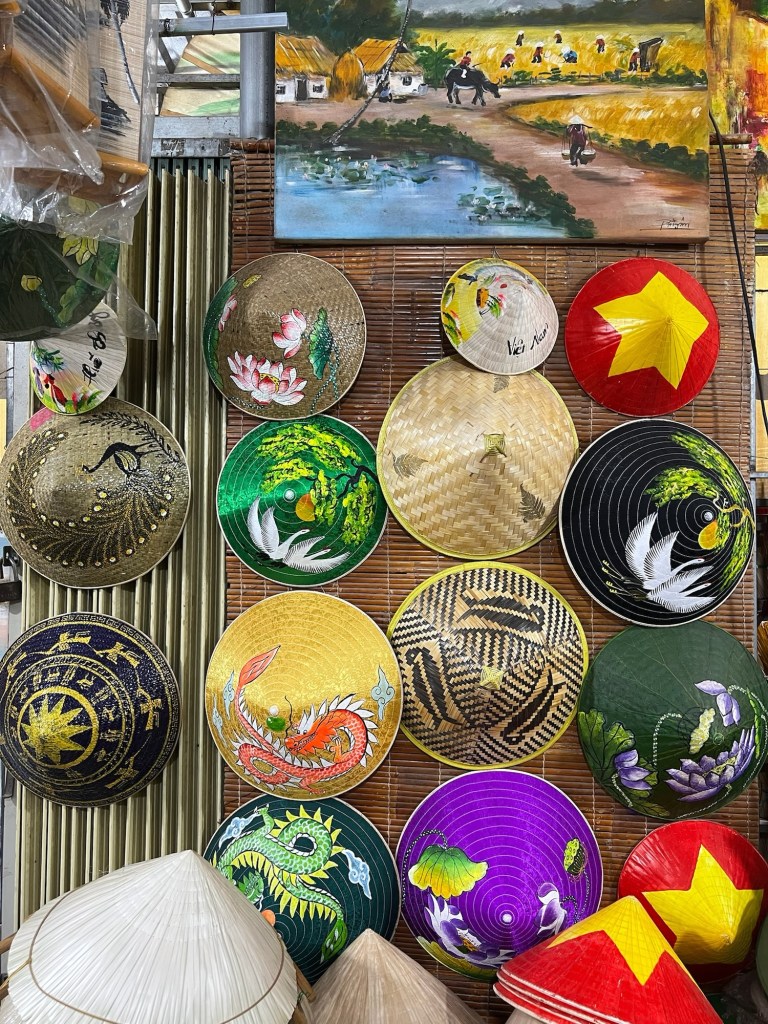
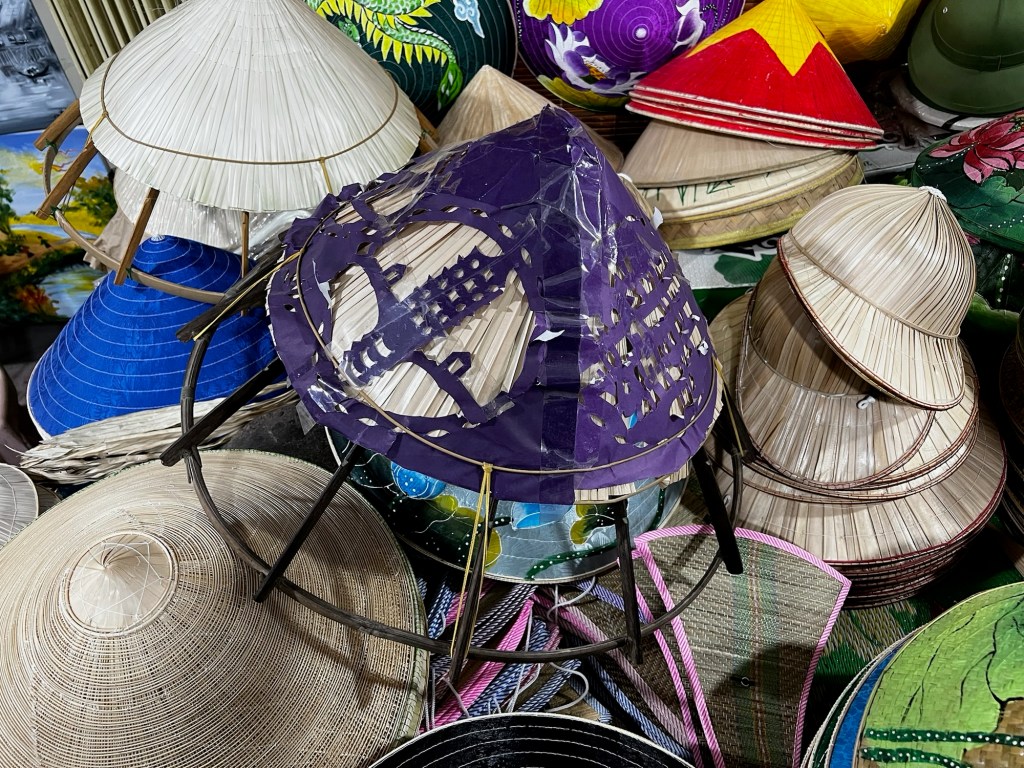
By now, everyone on the tour was completely soaked, and we were starting to yearn for warm showers and a change of clothes. Our tour guide insisted that we continue, however, and we did check out the conical hat and incense village. Unfortunately, we couldn’t really walk around too much and stayed primarily to one building, but we once again learned how to make incense, and we had a nice chat with an elderly lady in the process of making the famous straw hats.
Lastly, it was way too unsafe to climb Vong Canh Hill, but we did drive by it. It’s supposed to be one of the best views of the city and the Perfume River, and was a popular spot for emperors of the Nguyen Dynasty used to come for relaxing and sightseeing.
After having our fill of culture and torrential downpour, we were dropped off at our hotel and we relaxed for a couple of hours… until the thunderstorms started.
By now, we were fully in the path of Typhoon Bualoi, and we didn’t have many options other than to hunker down and hope for the weather to pass. We spent the whole next day relaxing in our room, only leaving to go out in the storm for meals. We spent the rest of the time relaxing, trying not to stress out too much, and following the news.
The following day, the weather was still quite mixed, but we were able to get to Hanoi on our flight. Luckily, the weather cleared up just enough time for us to make the hour long flight up there from Hue. The other option was a 13 hour bus ride and with all the flooding going on around us, we just wanted to get out of the area as soon as possible.
Hanoi
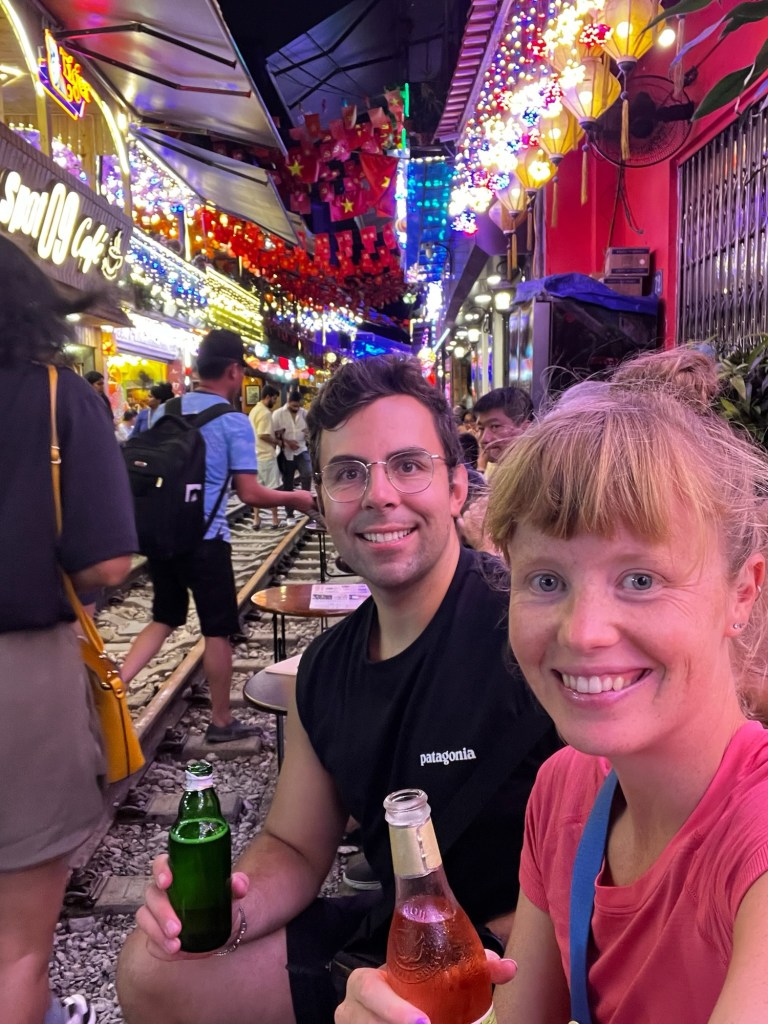
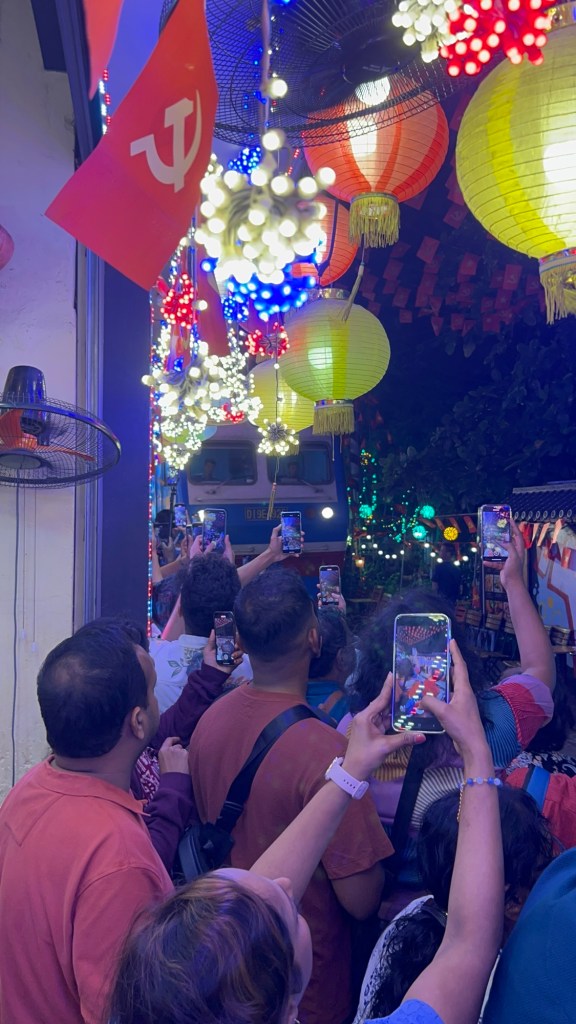
On our first night in Hanoi, we weren’t really up for too much as we were still tired from the madness of the last few days. We were, however, able to make our way to the famous Train Street. If you’re not familiar with it, Train Street is this row of cafes and bars that have been built within feet of the train tracks. It’s filled with tons of lights and lanterns, and it’s honestly a pretty cool little zone. We each bought a drink and sat, patiently waiting for the train to go by. About two minutes before it arrived, a mad rush of screaming and yelling from all the shop owners to get everyone and some of the tables out of the way ensued, for what ended up being a train the size of half of a single car. Instead of paying for an overpriced drink in one of the cafes, we would recommend just watching from outside of them or from the end of the block where you can still experience everything just as well.

Day two of Hanoi was meant to be another travel day, so we packed up our bags and started to make our way to the train station. We booked a Grab but nobody was coming to pick us up for some reason. Since it was only a kilometre, we decided we’d just walk through the rain. With our ponchos over top of our backpacks, we began the trek towards the station but as we got closer and closer, it became abundantly clear why nobody was going to drive us there. The roads had become so flooded from the amount of rain that they had received just within the past few hours, that the locals were saying areas that never flood had become covered in water. We had to wade in water up to our knees at one point just to get to the train station. Luckily, the water was very slow moving so we felt safe enough making the journey (albeit a little soaked by the time we arrived). As should be expected, the train was not able to run due to the flooding, but we had no way of knowing that before leaving our hotel as the updates aren’t as frequent as we’ve come to expect at home. Luckily, there was a decent enough hotel right next to the train station where we waited out the storm for the night.
On the following day, the typhoon had completely passed, and we were able to take our train to Ninh Binh. After what was no doubt the craziest travel experience we’ve shared so far, we couldn’t wait to visit one of the hidden gems of the country and what would become our highlight of the trip so far.
 Adventures with Jack and Julia
Leave a comment